By Deborah Oladapo
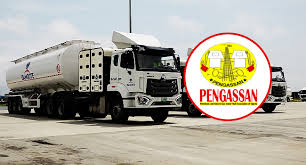
The recent three-day strike by the Petroleum and Natural Gas Senior Staff Association of Nigeria (PENGASSAN) threw households and businesses into disarray, with severe shortages of petrol and cooking gas across the country.
In Lagos, particularly around Onike and Iwaya, fuel stations such as Timac were shut, leaving long queues and frustrated motorists. Gas vendors who had little supply left raised prices sharply, selling at ₦2,000 per kilogram instead of the usual ₦1,300. Despite the hike, many vendors rationed sales, offering customers only one or two kilograms in order to spread limited stock.
Residents lamented the situation, noting that the scarcity struck on October 1, a day meant for Nigeria’s Independence Day celebrations. “It was not just the high price, but the fact that most vendors kept turning people away because they had no gas left,” a resident complained.
Nationally, the Nigerian National Petroleum Company Limited (NNPC) reported significant economic losses during the strike. Group Chief Executive Officer, Bashir Ojulari, said the action led to daily deferments of about 283,000 barrels of crude oil and 1.7 billion standard cubic feet of gas, causing a 16 per cent drop in oil output, 30 per cent in marketed gas, and a 20 per cent power shortfall.
The strike was triggered by a dispute between PENGASSAN and the Dangote Refinery over alleged mass layoffs and treatment of union members. Although the union suspended the action after government intervention, its leaders warned that the truce was temporary and the strike could resume if agreements were not honoured.
For residents in areas like Onike and Iwaya, however, the effects were immediate and harsh. “We didn’t expect to celebrate Independence Day queuing for gas that wasn’t even enough,” another vendor said, reflecting the frustration of many who were caught unprepared for the sudden hike and scarcity.